Incorporating Patient Preference Information Across Product Life Cycle
The U.S. Food and Drug Administration (FDA) has released updated guidance aimed at strengthening how patient perspectives are incorporated into medical device decision-making throughout the total product life cycle.
Titled “Incorporating Voluntary Patient Preference Information over the Total Product Life Cycle” the guidance provides recommendations for industry, researchers, and other stakeholders on when and how to collect and submit patient preference information (PPI) to the agency.
Patient preference information refers to qualitative or quantitative assessments of how patients value different treatment options, including their tolerance for risk and expectations for benefit. The FDA emphasizes that integrating this data can enhance regulatory decisions by ensuring they better reflect patient needs and real-world experiences.
The updated guidance outlines key principles for:
- Determining when PPI is most useful in the product life cycle
- Selecting appropriate data collection methods
- Designing scientifically valid studies
- Submitting PPI to support regulatory applications
This new document supersedes the FDA’s earlier guidance, “Patient Preference Information – Voluntary Submission, Review in Premarket Approval Applications, Humanitarian Device Exemption Applications, and De Novo Requests”. The revision reflects evolving best practices and growing recognition of patient-centered approaches in healthcare innovation.
Related news
VPH Leadership continues into 2027
We are pleased to present the 2027 Board of Directors of the VPH Society, appointed during the recent GA in Milan to guide the Society’s strategic priorities and initiatives in the year ahead.
From algorithms to headlines: Media coverage of in silico medicine over the past 10 years
How has the media portrayed in silico medicine over the past decade? A new VPH study analyses 10 years of coverage across six countries, revealing a growing focus on AI and significant differences in how newspapers balance technological promises with risks and implications.
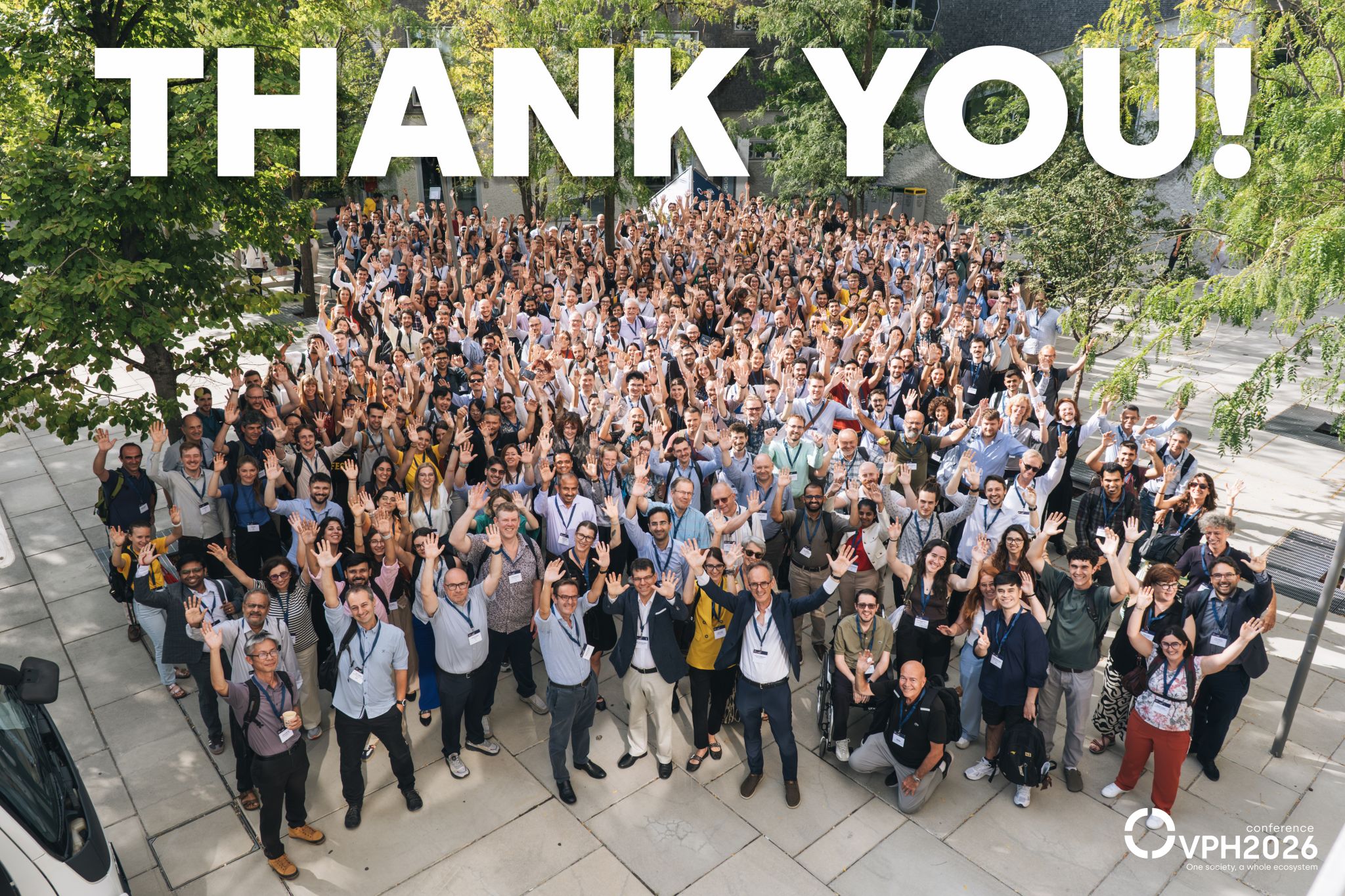
VPH2026 brings together 650 experts in Milan to advance in silico medicine
A record 650 participants gathered in Milan to exchange knowledge, foster collaboration and explore the future of in silico medicine.